Společnost Volvo (OTC:VLVLY) Cars ve středu oznámila, že od konce roku 2026 zahájí výrobu středně velkého SUV XC60 ve svém závodě v Jižní Karolíně ve Spojených státech.
Toto rozhodnutí přichází v době, kdy švédský výrobce automobilů čelí clům na automobily uvaleným americkým prezidentem Donaldem Trumpem, protože většinu svých hybridních a elektrických modelů v současné době dováží z Evropy.
Model XC60 se těší silné poptávce na americkém trhu, kde se podle göteborského výrobce v prvních šesti měsících roku 2025 prodalo o téměř 23 % více vozů, což z něj činí nejoblíbenější model mezi americkými zákazníky.
Společnost Volvo Cars, vlastněná čínskou skupinou Geely Holding, na začátku tohoto týdne oznámila, že ve druhém čtvrtletí zaúčtuje ztrátu ve výši 11,4 miliardy korun (1,17 miliardy dolarů) v souvislosti s modely ES90 a EX90 kvůli clům a zpoždění uvedení na trh.
Americký trh představoval v loňském roce 16 % celkového prodeje společnosti Volvo, přičemž většina vozidel pro tento trh se v současné době dováží z Evropy. V současné době společnost vyrábí pouze svůj špičkový SUV EX90 v továrně v Charlestonu v Jižní Karolíně.
Generální ředitel Hakan Samuelsson již dříve naznačil, že je nutné do závodu přidat oblíbený hybridní model. V dubnu uvedl, že automobilka zvýší výrobu v USA a zároveň posílí své regionalizační snahy.
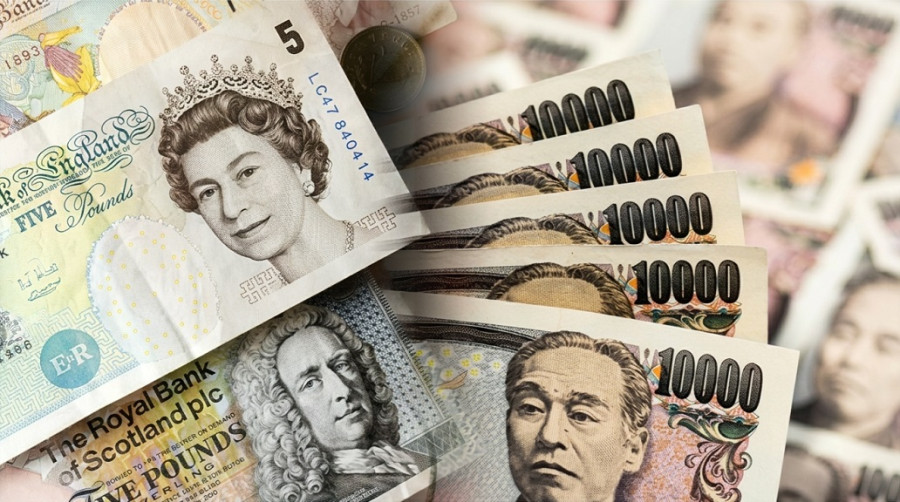
The GBP/JPY cross pair on Monday reached its five-month price low, at 209.54. For comparison, it is worth noting that just two weeks ago, buyers tested the 219 level in response to the overall weakening of the yen and the simultaneous strengthening of the British pound. Currency intervention conducted by Japanese authorities caused the 1,000-pip drop to the south. With the spring tightly compressed, it quickly relaxed, allowing sellers of the cross to update multi-month lows.
However, on Tuesday, the initiative in the GBP/JPY pair has been seized by buyers. After rising by 250 pips, they tested the resistance level of 212.10 on Tuesday, which corresponds to the lower line of the Bollinger Bands on the daily chart. Several fundamental factors drive this price dynamic.
The fiscal situation in Japan has once again captured traders' attention. One of the key factors putting pressure on the yen has been new proposals from Prime Minister Sanae Takichi's government to expand budgetary support for the population. The ruling Liberal Democratic Party (which has an absolute majority in the lower house of parliament) supported the Prime Minister's initiative to reduce the food tax from 8.0% to 1.0% for two years, starting from the next financial year (i.e., from April 2027). In addition, the authorities proposed annual cash payments to low- and middle-income households. The total amount of this program is estimated at around 600 billion yen.
From the perspective of domestic demand, such measures can provide significant support to consumers and partially offset the effects of rising living costs. However, the market is focusing on the "other side of the coin," questioning the sources that will finance these expenses.
This question is far from trivial. The lack of a clear mechanism to cover additional budget spending raises concerns among investors, as Japan already has one of the highest levels of national debt among developed economies. Any new stimulus measures without a "solid" funding plan increase the likelihood of further deterioration of the fiscal balance. Such a scenario decreases the attractiveness of Japanese assets and, accordingly, limits the potential for yen strengthening.
The second reason for the northward rebound in GBP/JPY is the significant interest rate gap between Japan and other major economies, including the UK. On one hand, the Bank of Japan has ended the era of negative rates, gradually normalizing monetary policy. Following the hawkish decision in June, the interest rate was raised to 1.0%—the highest borrowing cost in Japan since the mid-1990s. On the other hand, even after this, Japanese monetary policy remains significantly more accommodative than that of the overwhelming majority of developed countries.
In particular, the Bank of England's rate is currently 3.75%, implying a 275-basis-point interest-rate differential between the UK and Japan. This persistent gap in interest rates keeps the carry trade strategy attractive for traders using the yen as a funding currency. As long as this interest rate differential does not narrow significantly, pressure on the Japanese currency will persist.
External risks further complicate the overall situation for the yen. In particular, another escalation of tensions in the Middle East remains one of the most serious risks that could worsen the outlook for the Japanese economy. As is known, Japan is a major importer of energy resources, so rising prices for oil traditionally have a negative impact on the trade balance and consumer spending. The rise in the oil market in July heightened concerns about cost-push inflation and a slowdown in economic activity in the country.
The pound, in turn, receives background support from the resilient UK economy (GDP increased by 0.1% month-on-month and 1.1% year-on-year) and higher interest rates. Despite expectations of further easing by the BoE, the market remains confident that the rate-cutting process will be gradual, amid persistent inflation in the services sector (4.7%) and ongoing wage pressure.
Thus, the trend reversal in GBP/JPY is driven by several fundamental factors: the weakness of the yen due to fiscal risks, the UK's sustainable interest advantage, and continued interest in carry trades. For a sustainable downward movement to resume, the market needs to see substantive changes in the fundamental picture: either a more aggressive stance from the BoJ or a realistic, credible plan to stabilize public finances.
However, to date, the fundamental balance remains in favor of GBP/JPY buyers. The key reasons for the pressure on the yen persist, so long positions in the pair may be considered, but only after buyers of the cross manage to overcome the resistance level of 212.10 (the lower line of the Bollinger Bands indicator on the D1 timeframe). The next target for the upward movement is the mark of 213.50 (the lower boundary of the Kumo cloud on the same timeframe).

QUICK LINKS
ForexMart is authorized and regulated in various jurisdictions.
(Reg No.23071, IBC 2015) with a registered office at First Floor, SVG Teachers Co-operative Credit Union Limited Uptown Building, Corner of James and Middle Street, Kingstown, Saint Vincent and the Grenadines
Restricted Regions: the United States of America, North Korea, Sudan, Syria and some other regions.


















 Contact Us